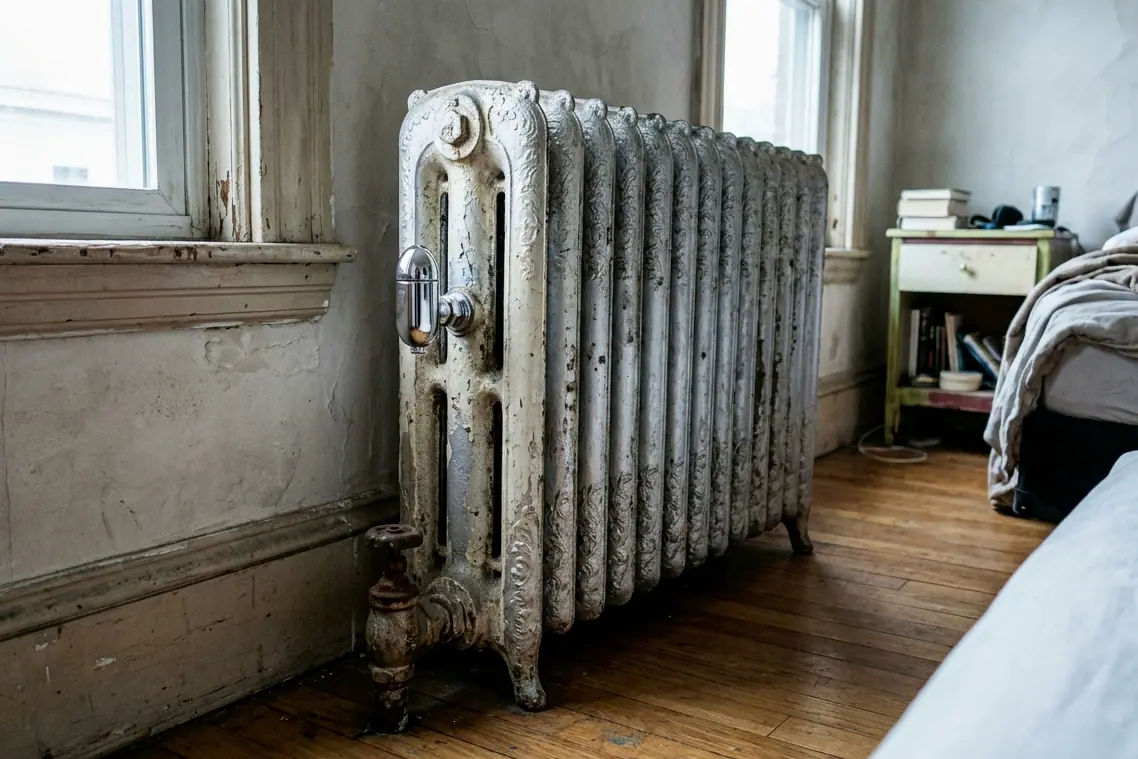
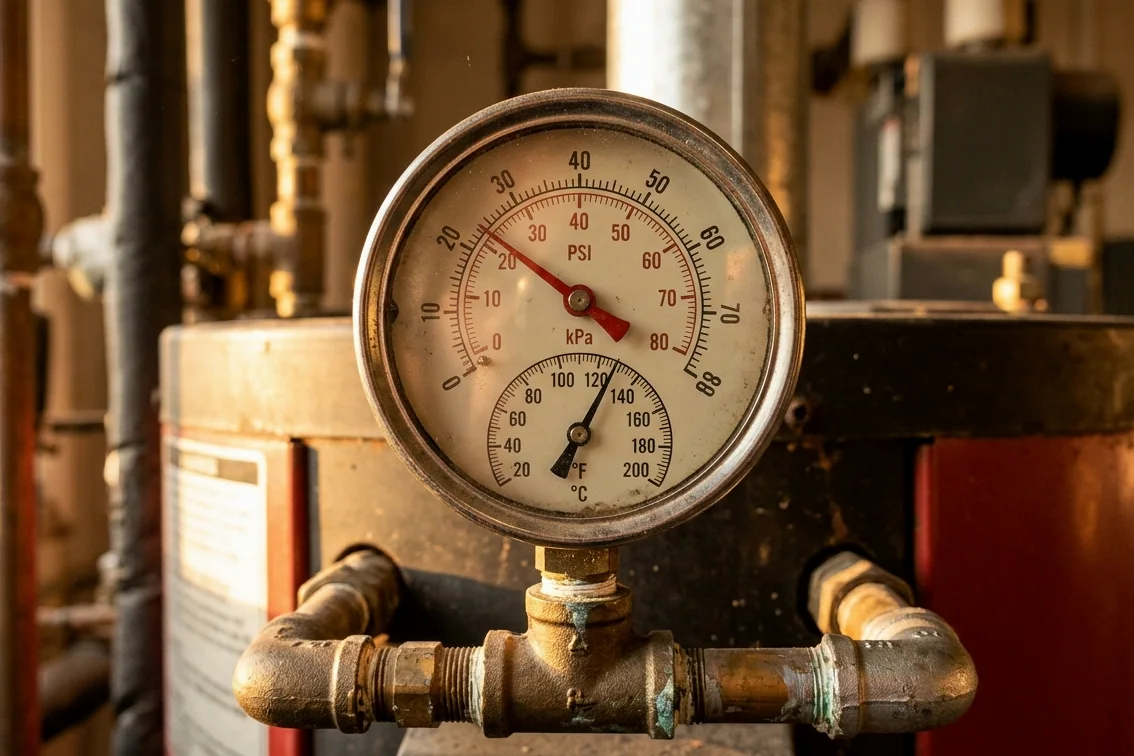
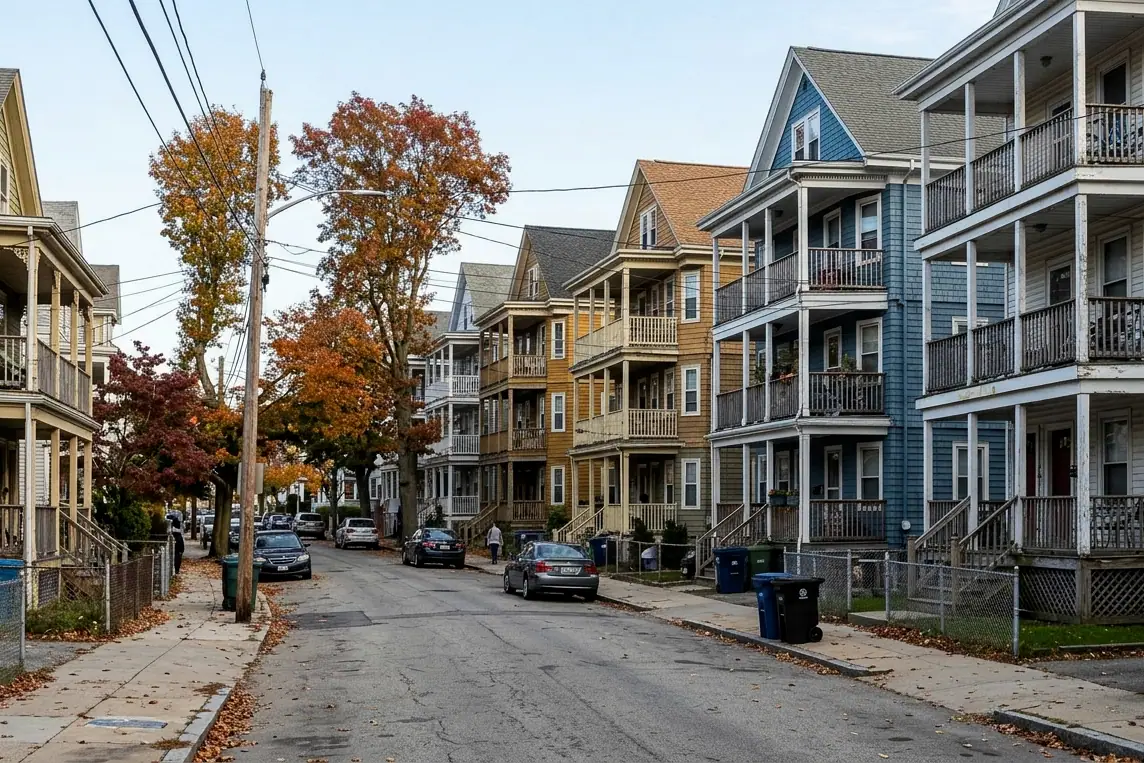
Plenty of homes in Providence, Johnston, Smithfield and the surrounding towns still heat with oil. If you want to cut deliveries or end them entirely, there is no rule that says it must happen all at once.
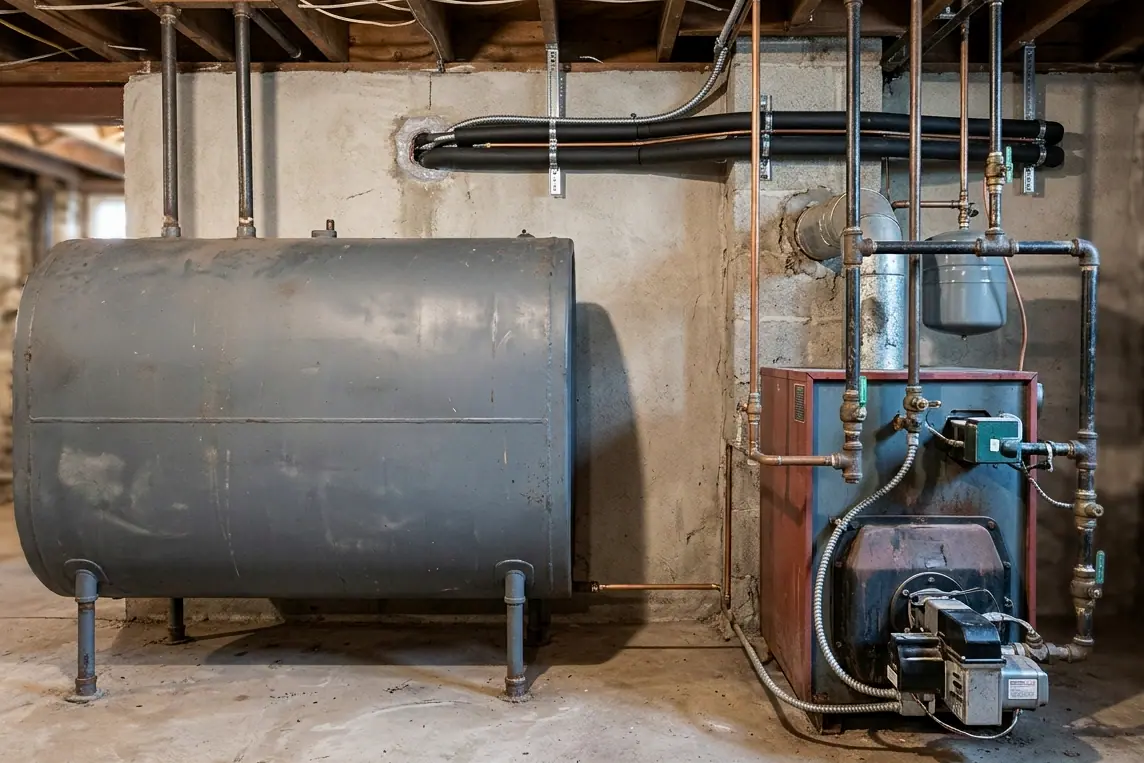
Stage one: get the oil system in good shape
A clean, tuned oil burner uses less fuel and is less likely to fail while you plan. If the boiler is relatively young and in good condition, it can serve as backup heat for years.
Stage two: add heat pumps where they help most
Start with the rooms you use most, or the floor that is hardest to keep comfortable. Ductless heads in the main living space and bedrooms can carry much of the heating load on mild and moderate days, and they add air conditioning at the same time. Thermostat settings make the heat pumps lead and the oil boiler follow only when it is truly cold.
Stage three: move the hot water
Many oil boilers also make domestic hot water through an internal coil. Before retiring the boiler, plan the replacement: a heat pump water heater, an electric tank or a gas heater if gas is available.
Stage four: retire the oil system
When the heat pumps cover the house and hot water has its own source, the oil boiler and tank can come out. Basement tanks are pumped, cut and removed; buried tanks follow local rules.
Or switch to gas instead
If gas runs on your street, converting to a gas boiler or furnace is another route, often done in one step. Our conversion planner lays out repair, gas and heat pump paths side by side so you can compare.
- Know your yearly oil use; it is the baseline for comparing options.
- Get a heat-loss count before buying any equipment.
- Fix air leaks in the attic and basement first; they shrink the system you need.
Call (401) 598-2964, answered 24/7. Tell us what you are seeing and we will help you decide whether it needs a visit.