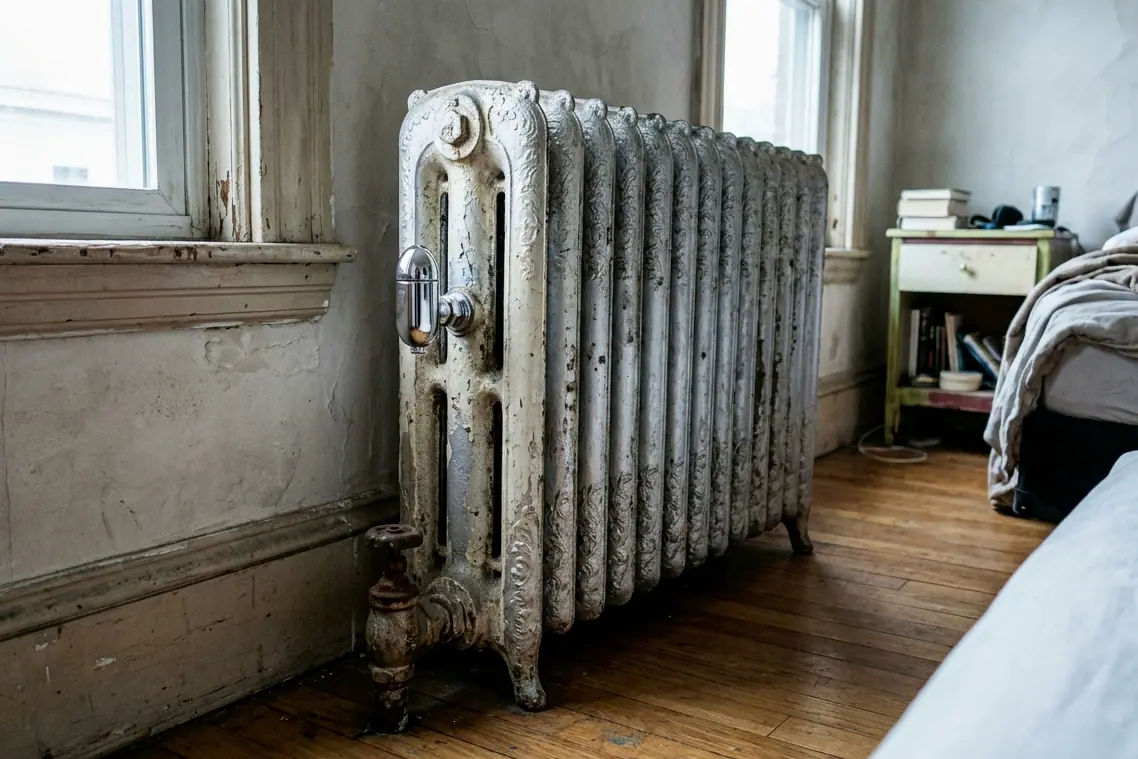
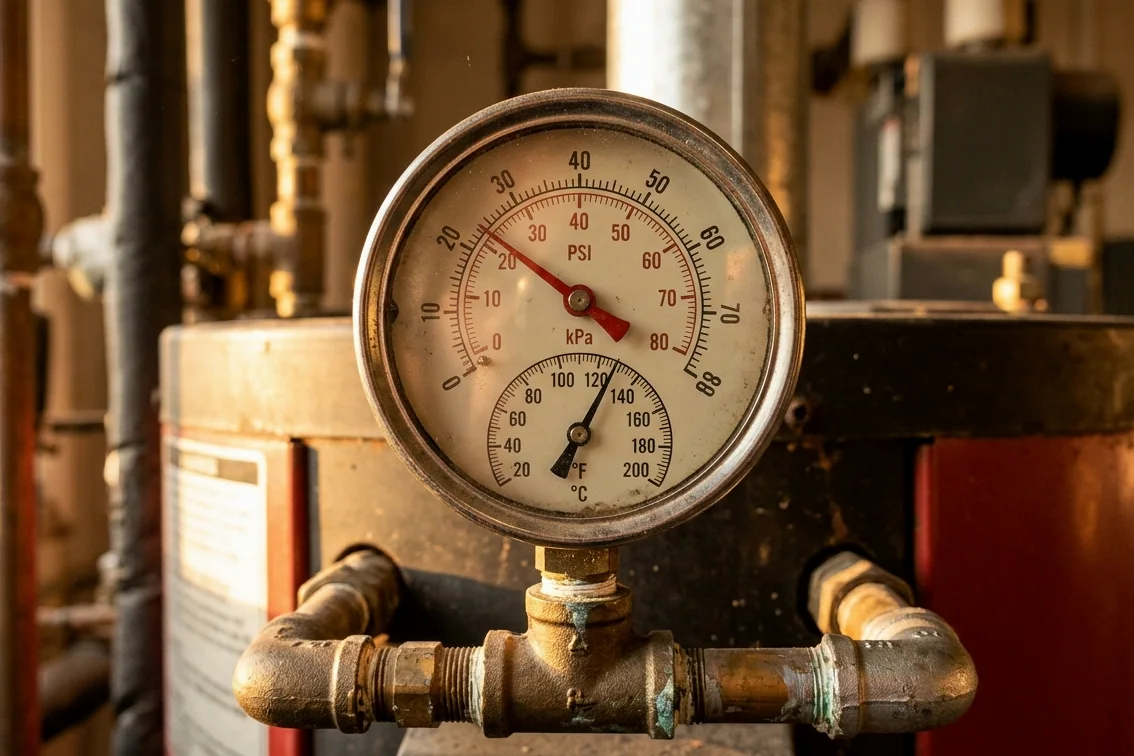
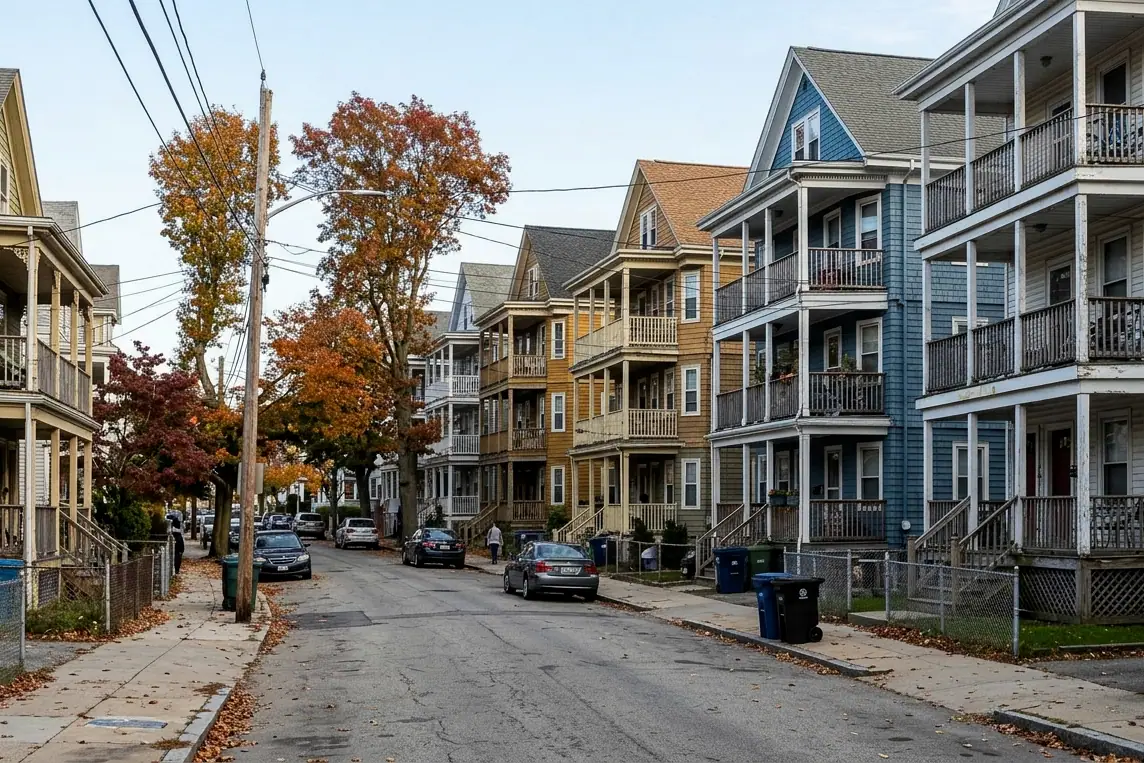
The triple-decker is the signature house of Providence, Pawtucket, Central Falls and Fall River. Three stacked apartments, three porches and, very often, a basement holding three heating systems of three different ages. Heating one well takes a little planning.
Separate systems or one shared boiler
Many triple-deckers were converted to a separate boiler or furnace for each unit, each with its own gas meter. Others still run one large boiler for the whole building. Separate systems let each tenant control and pay for their own heat, but they triple the maintenance. A shared boiler is simpler to service but needs good zoning so each floor gets heat when it calls.
Why the top floor is different
The third floor sits under the roof and loses heat fastest in winter and gains it fastest in summer. On a shared hot-water system, it is also the first place air collects, which leaves radiators cold at the top. On separate systems, the third-floor unit often needs a larger share of capacity than the label on its boiler suggests.
Adding cooling without ducts
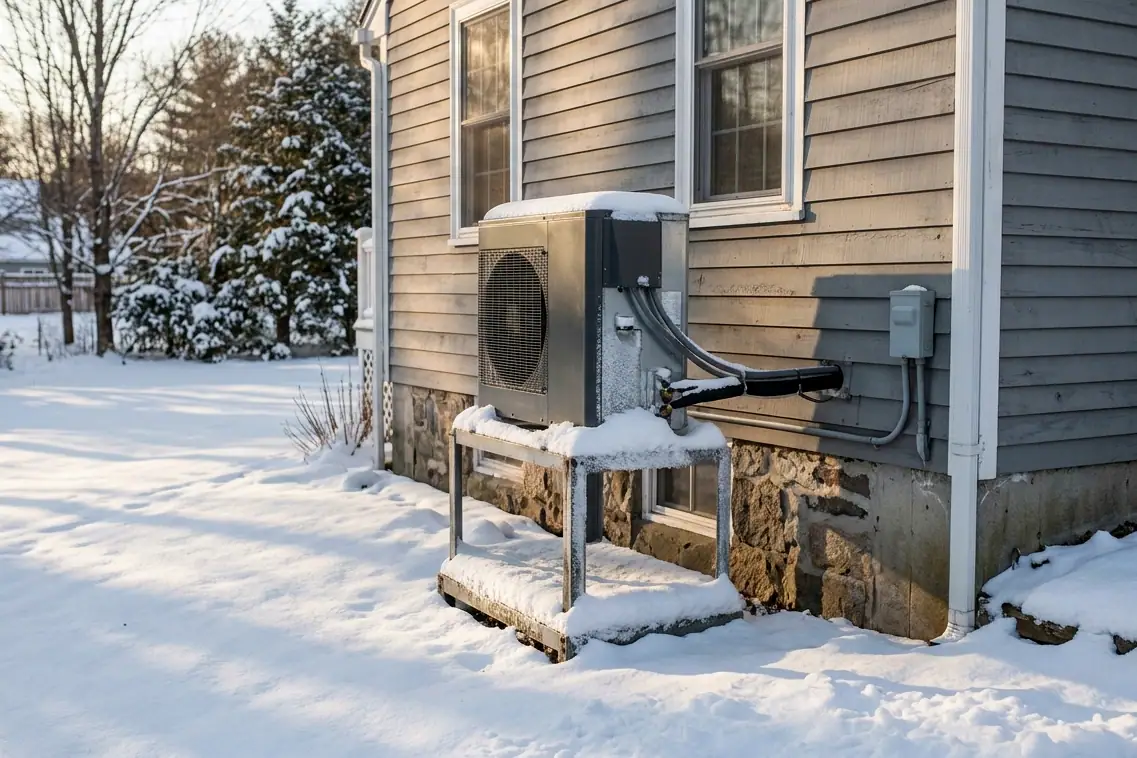
Most triple-deckers have no ductwork, so central air is rarely practical. Ductless mini-splits are the common answer, with a head in the main living space of each unit and sometimes one in a bedroom. Cold-climate models also heat, which lets owners carry much of the winter load on heat pumps and use the boiler as backup.
A sensible order of upgrades
- Get a condition report on every system so you know what is near failure.
- Fix the cheap problems first: venting, expansion tanks, zone valves and thermostats.
- Replace the oldest system when it fails, sized from a real heat-loss count.
- Add ductless heat pumps floor by floor as budgets allow.
Whether you own one triple-decker or several, labeling each system clearly and keeping a service record for each one makes every future repair faster and cheaper.
Call (401) 598-2964, answered 24/7. Tell us what you are seeing and we will help you decide whether it needs a visit.